
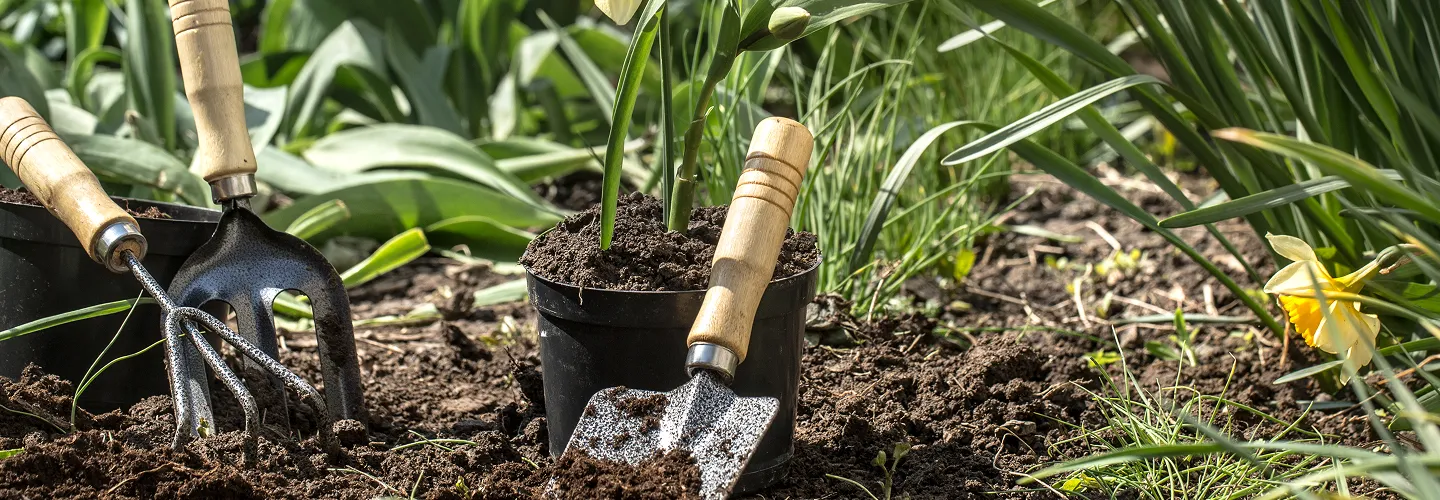
Mission Bend Lawn Edging Services
Choose our Lawn Edging for precise, durable borders that elevate your curb appeal and make yard maintenance effortless—crafted by local experts who care about your landscape.
Get a Free QuoteOur Mission Bend Landscaping & Yard Care Services
When to Schedule Lawn Edging in Mission Bend, Texas – Seasonal Guide
In Mission Bend, Texas, the best times to schedule lawn edging are typically in early spring and late fall. These periods align with the region’s mild temperatures and moderate rainfall, which help grass recover quickly from edging and promote healthy regrowth. Mission Bend’s climate, characterized by hot, humid summers and mild winters, means that edging during the peak summer heat or the rare winter frost can stress your lawn. Neighborhoods like Mission Glen and Kingsbridge Place often experience dense shade from mature trees, which can affect soil moisture and the timing of lawn maintenance.
Local environmental factors such as the clay-heavy soils common in the area, the risk of summer drought, and the occasional heavy rainfall all play a role in determining the optimal schedule for lawn edging. Homeowners near the Westpark Tollway or close to the Mission Bend Community Center should also consider municipal guidelines and water restrictions, which can impact when and how often you can perform lawn care. For more information on local regulations, visit the Sudbury municipal website.
Local Factors to Consider for Lawn Edging in Mission Bend
- Tree density and shade coverage in neighborhoods like Mission Oaks
- Soil type, especially clay-rich or compacted soils
- Seasonal precipitation patterns and drought risk
- Municipal restrictions on water usage or landscaping
- Terrain variations, such as sloped yards or drainage issues
Benefits of Lawn Edging in Mission Bend
Enhanced Curb Appeal
Defined Landscape Borders
Reduced Weed Growth
Improved Lawn Maintenance
Increased Property Value
Long-Lasting Results
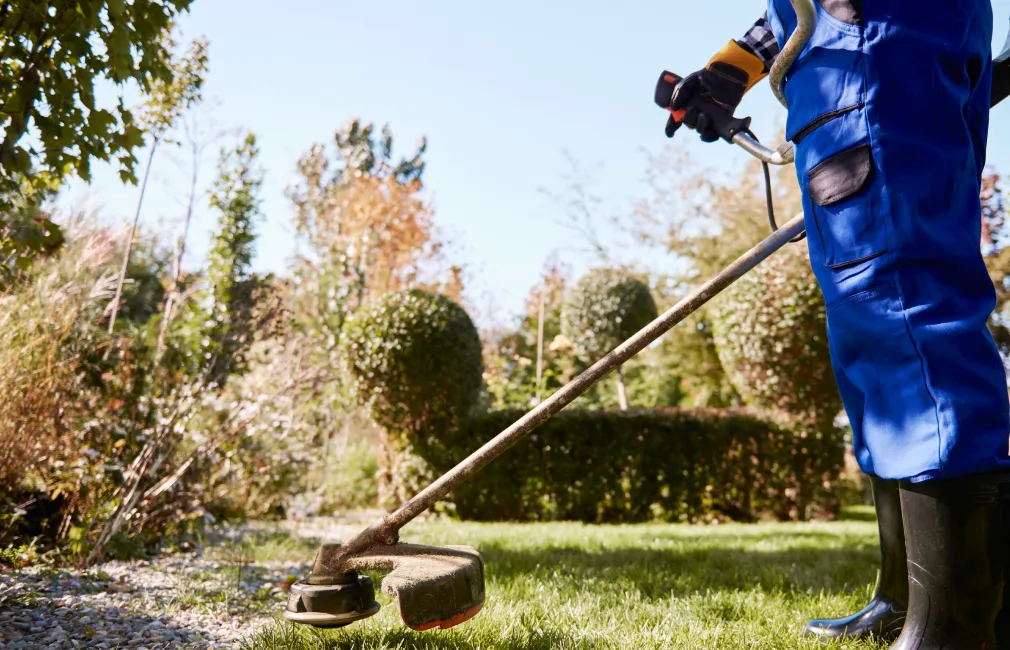
Mission Bend Lawn Edging Types

Metal Lawn Edging
Metal edging offers a sleek, durable border for modern landscapes.
-
Plastic Lawn Edging
Plastic edging is flexible and cost-effective for defining garden beds.
-
Stone Lawn Edging
Stone edging provides a natural, timeless look for any yard.
-
Brick Lawn Edging
Brick edging adds classic charm and sturdy separation to lawns.
-
Concrete Lawn Edging
Concrete edging delivers a clean, long-lasting boundary for landscaping.
-
Wood Lawn Edging
Wood edging brings a rustic, organic feel to garden borders.
-
Rubber Lawn Edging
Rubber edging is eco-friendly and safe for playgrounds and gardens.
Our Lawn Edging Process
Site Evaluation
Marking Edges
Cutting the Edge
Debris Removal
Final Inspection
Why Choose Mission Bend Landscape Services
-
Mission Bend Homeowners Trust Us
-
Expert Lawn Maintenance
-
Reliable Scheduling
-
Competitive Pricing
-
Professional Team
-
Satisfaction Guarantee
-
Personalized Service
Mission Bend’s Expansive Clay Soils and Lawn Edging Depth Requirements
Lawn edging in Mission Bend must account for the region’s dominant Houston Black clay soils, as identified by the USDA Web Soil Survey. These Vertisols are characterized by high shrink-swell capacity, poor drainage, and a pH typically ranging from 7.5 to 8.2. For effective and durable edging, trenches should be installed to a minimum depth of 4-6 inches to prevent shifting during seasonal soil movement. Soil compaction is common in developed neighborhoods, requiring mechanical edging tools for clean separation. Soil amendments such as 2-3 inches of compost tilled to a 6-inch depth are recommended to improve structure along edges. Residents are encouraged to obtain a soil test through Texas A&M AgriLife Extension (typical cost: $15-25) to determine amendment needs and pH adjustments.
Texas A&M AgriLife Extension
600 John Kimbrough Blvd, College Station, TX 77843
Phone: (979) 845-4747
Official Website: Texas A&M AgriLife Extension
Equipment Operation Hours and Noise Ordinance Compliance for Lawn Edging in Mission Bend
Mission Bend adheres to municipal noise ordinances for landscape equipment operation, which are enforced to maintain neighborhood quality of life. Permitted hours for powered lawn edging equipment are:
- Monday-Friday: 7:00 AM - 7:00 PM
- Saturday: 8:00 AM - 6:00 PM
- Sunday and holidays: Prohibited All commercial and residential operators must ensure equipment mufflers are functional and noise does not exceed 85 decibels at property lines. When edging near public sidewalks or streets, a minimum 15-foot safety buffer from pedestrians is required. Personal protective equipment (PPE) such as ANSI Z87.1 safety glasses, hearing protection, and steel-toed boots are mandatory for all operators. For questions regarding compliance or to report violations, contact:
Houston Public Works Department
611 Walker Street, Houston, TX 77002
Phone: (832) 395-2500
Official Website: Houston Public Works Department
Stormwater Protection and Environmental Compliance for Edging Near Mission Bend Waterways
Lawn edging activities adjacent to Mission Bend’s drainage ditches, retention ponds, and flood control channels must comply with Texas Water Code and Clean Water Act requirements. The Texas Commission on Environmental Quality (TCEQ) MS4 permit prohibits the discharge of soil, grass clippings, or debris into storm drains. Maintain a 25-foot no-disturbance buffer from wetlands and water bodies, and never deposit edging debris in these zones. Use biodegradable bags or 32-gallon bins for debris collection; plastic bags are prohibited. Weekly yard waste pickup is typically scheduled for Thursdays, April through November. For further guidance on stormwater compliance:
Texas Commission on Environmental Quality
12100 Park 35 Circle, Austin, TX 78753
Phone: (512) 239-1000
Official Website: Texas Commission on Environmental Quality
Seasonal Timing and Weather Considerations for Lawn Edging in Mission Bend
Mission Bend is located in USDA Hardiness Zone 9a, with average annual minimum temperatures of 20-25°F. The optimal window for lawn edging is from late February through early May and again from late September through November, when soil temperatures range from 55°F to 75°F and moisture levels are moderate. Avoid edging during June-August due to high heat and drought stress, which can cause rapid soil cracking and edge displacement. Monitor local weather forecasts through the National Weather Service Houston/Galveston Office to avoid scheduling work during heavy rainfall events, which increase erosion risk. For best results:
- Spring edging: February 20 - May 10
- Fall edging: September 20 - November 15
- Avoid: June-August (heat, drought)
- Check soil moisture before trenching
What Neighborhoods Do We Serve Throughout Mission Bend, TX?
- Mission Bend South: Features mature subdivisions with heavy clay soils and established tree canopies, requiring deep edging to prevent root encroachment and address drainage challenges.
- Beechnut Manor: Characterized by compacted soils and smaller lot sizes, necessitating precise edging to maintain clear property boundaries and comply with HOA landscaping standards.
- Keegans Ridge: Includes areas near Keegans Bayou, where proximity to drainage channels requires strict adherence to buffer regulations and stormwater protection measures.
- Mission Glen: Newer developments with mixed soil fill and moderate slopes, presenting unique challenges for edge stability and runoff control during heavy rain events.
- Eaglewood: Located near community parks and open spaces, this area often faces increased debris from public walkways, requiring regular edging and debris management.
- Mission West: Contains flood-prone lots and variable soil conditions, demanding careful planning for edge placement and compliance with local floodplain management guidelines.
- Clayton Greens: Noted for its proximity to conservation areas and utility easements, where special care is needed to avoid disturbing protected zones and underground infrastructure.